Love lake life in Meredith, but rely on a private well? You are the one responsible for routine water testing, not the town. Near-lake wells can be influenced by surface water, septic systems, and even boating activity, so smart testing matters. In this guide, you’ll learn exactly what to test and when, based on New Hampshire guidance, with extra tips for lakeside homes. Let’s dive in.
Why lakeside wells need extra care
New Hampshire has many private wells, and the state encourages regular testing because private wells are not regulated like public systems. NHDES explains why testing is essential for private well owners.
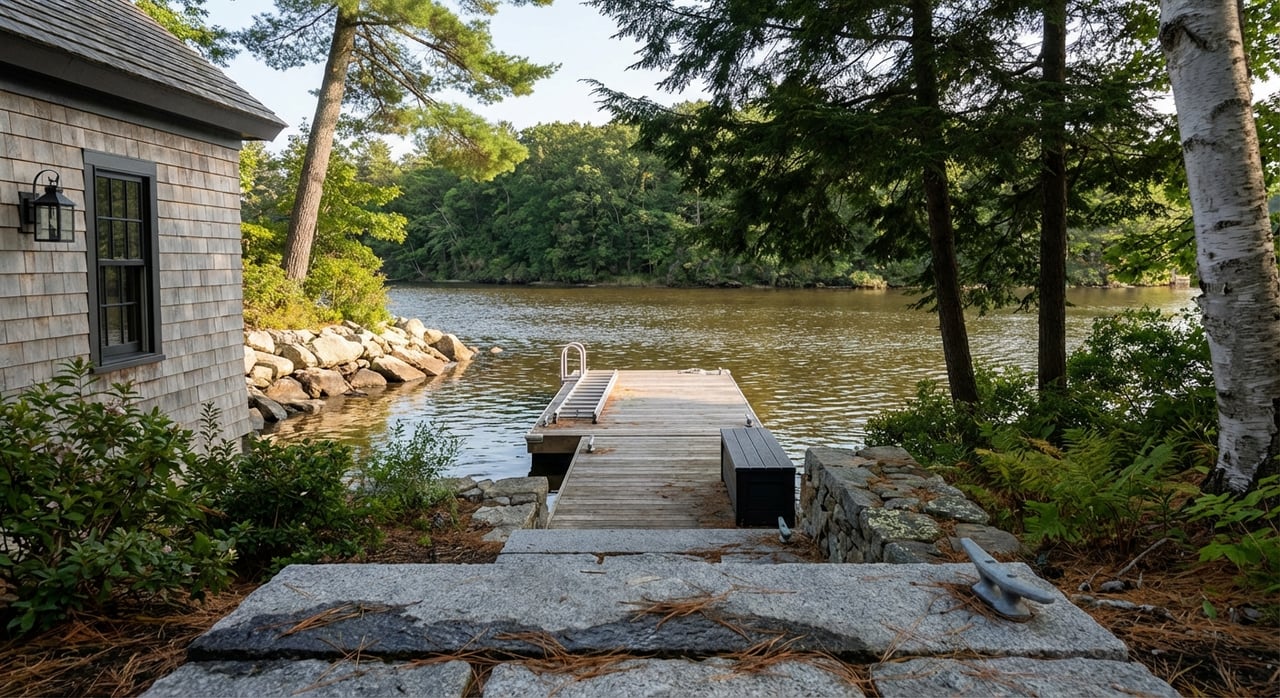
Near-lake wells can be affected by surface water, shoreline septic systems, and recreational fuel use. Studies show that groundwater under surface water influence can carry bacteria and organic compounds into domestic wells. See summaries of these findings in USGS-linked research and local context for Meredith’s lakes including Lake Winnipesaukee and Lake Waukewan.
What to test in a Lakes Region well
Microbial indicators
- What: Total coliform and E. coli.
- Why it matters: These indicate surface or septic contamination and can cause illness quickly. NHDES recommends annual bacteria testing, and anytime the well floods or you do well or septic work.
Nitrate and nitrite
- What: Nitrate and nitrite.
- Why it matters: Common with septic or runoff influence. High nitrate is an acute risk for infants. Test at least annually.
Arsenic and radiologicals
- What: Arsenic, uranium, gross alpha, and radon in water.
- Why it matters: NH bedrock often contains arsenic and naturally occurring radioactive elements. Many private wells in NH have elevated levels. Learn more from Dartmouth’s arsenic research. Include these in your periodic testing rotation.
PFAS
- What: PFOS, PFOA, PFHxS, PFNA, and other PFAS as available.
- Why it matters: PFAS has been found in NH wells. NHDES recommends at least a one-time PFAS test if it has not been done. A state rebate may help with treatment if levels exceed standards.
VOCs (fuel and solvent compounds)
- What: VOC screen that includes MTBE, benzene, toluene, and related compounds.
- Why it matters: Lakeside fuel use, garages, or historic spills can affect wells. Consider VOC testing if there is any chance of exposure. See NHDES’ guidance on when it might be time to test your water.
Metals and secondary minerals
- What: Lead, copper, iron, manganese, sodium, chloride, hardness, pH, and TDS.
- Why it matters: Lead and copper relate to plumbing. Iron and manganese cause staining. Sodium and chloride can point to road salt or septic influence. Many of these are part of the NHDES “Standard Analysis.” Review the NHDES blog on recommended parameters.
Cyanotoxins (special cases)
- What: Microcystins, cylindrospermopsin, anatoxin-a, depending on the lab.
- Why it matters: Groundwater usually does not contain cyanotoxins, but shallow, poorly sealed wells influenced by surface water could be at risk during lake blooms. If a bloom is reported and your well is shallow or has flooded, ask your lab about seasonal cyanotoxin testing. Learn the basics from this cyanotoxin overview.
When to test: schedule and triggers
Annual
- Total coliform/E. coli
- Nitrate
- See NHDES’ summary of why and when to test
Every 3 to 5 years
- NHDES “Standard Analysis,” which typically includes arsenic, metals, hardness, pH, sodium, chloride, and others. See examples in the NHDES blog.
- Add radiologicals and consider a PFAS screen if never tested.
Event-driven testing (test now and again after any fix)
- Flooding or standing water around the well.
- Well construction, repair, or pump replacement.
- Long periods of nonuse.
- Changes in taste, odor, color, or staining.
- Septic work, heavy road salting, nearby agricultural activity, or any fuel/chemical spill.
- A cyanobacteria advisory on the adjacent lake if your well is shallow or poorly sealed. See NHDES guidance on triggers.
How to test your well water
Use an accredited laboratory
Choose a lab accredited for NH samples. Labs provide the right bottles and instructions for each test. Find options on the NHDES accredited laboratory list.
Sample the right tap
Ask the lab where to collect. You usually sample raw, cold water before any treatment so results reflect the well, not your filter. For bacteria, use the sterile bottle and follow directions exactly. See practical tips from Extension guidance on sampling.
Timing and handling
Bacteria samples have short hold times, so deliver them promptly. VOCs and cyanotoxins may require chilled shipping and special bottles. Your lab will advise on scheduling and drop-off rules.
Costs and packages
Labs often bundle tests. Review package contents and make sure the lab is accredited for the parameters you need. The NHDES list helps you compare.
Understanding results and next steps
Use NHDES’ online tool to interpret your report. The Be Well Informed tool compares your results to health benchmarks and outlines treatment options.
If bacteria are present
Do not drink the water until you have guidance. Use bottled water for drinking and cooking. Disinfect the system, correct the source problem, and repeat testing on the lab’s timeline. A well contractor can check well integrity and drainage if issues continue.
If PFAS, VOCs, or other chemicals are present
Stop using the water for drinking and food prep until you have professional advice. Options may include certified point-of-use filters, whole-house systems, or temporary alternate water. See NHDES PFAS guidance and programs for next steps, including rebate information.
For buyers and sellers near Meredith
If you are buying a lake or near-lake home, plan well testing early in your process. NHDES recommends PFAS testing if it hasn’t been done and a full “Standard Analysis” on a set schedule. A well-testing contingency can protect your timeline while results come back and treatment is considered.
If you are selling, current test results build confidence for buyers and can reduce surprises. Highlight any recent testing and any certified treatment systems, and keep receipts and lab reports handy.
Ready to pair the right home with safe, reliable water? Reach out to Greg & Krystal Sherwin for local guidance on waterfront and near-lake purchases and a smart well-testing plan tailored to the Lakes Region.
FAQs
What is the NHDES “Standard Analysis” for private wells?
- It typically includes arsenic, bacteria, chloride, copper, fluoride, hardness, iron, lead, manganese, nitrate/nitrite, pH, sodium, and uranium, with radiologicals and PFAS considered in addition. See examples in the NHDES blog.
How often should I test a lakeside well in Meredith?
- Test bacteria and nitrate every year, run the “Standard Analysis” every 3 to 5 years, and test after events like flooding, well work, or changes in taste or odor, per NHDES guidance.
Should I test for PFAS if my well has never been checked?
- Yes. NHDES recommends at least a one-time PFAS test for private wells, with follow-up based on results and local conditions.
What should I do if my well floods after a storm?
- Do not drink the water, test for bacteria right away, disinfect as advised, and repeat testing to confirm the fix, following NHDES event-driven testing guidance.
Where can I find accredited labs for NH well testing?
- Use the NHDES list of accredited laboratories. Labs provide the right bottles and instructions for each test.
Does my water softener affect test results?
- Yes, treatment can change results. Sample raw, cold water before any treatment unless your lab instructs otherwise, and follow the sampling steps in this Extension guide.