Thinking about trading city bustle for ocean breezes? The New Hampshire Seacoast offers a rare mix of sandy beaches, charming town centers, and easy access to Boston and Maine. If you are moving from out of state, the seasons, commute patterns, flood considerations, and daily rhythms can feel different than what you are used to. This guide walks you through what life in Hampton and the greater Seacoast really looks like so you can plan with confidence and avoid surprises. Let’s dive in.
Why the NH Seacoast draws buyers
Where the Seacoast sits
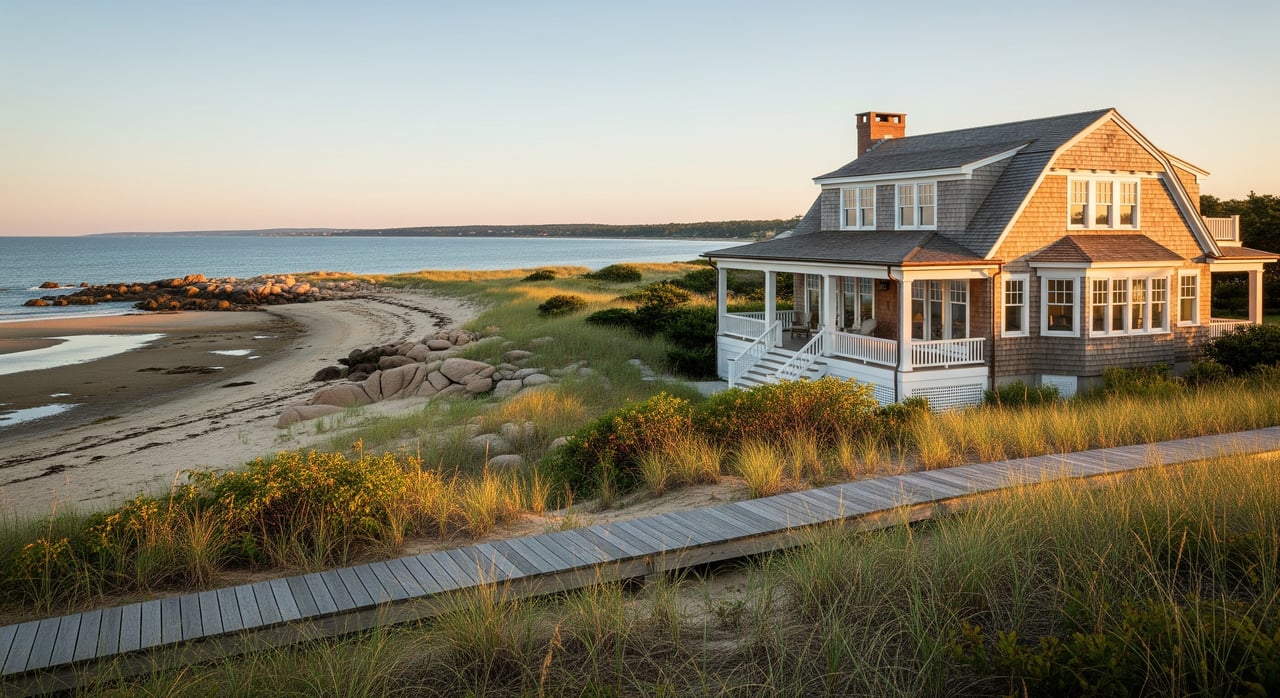
The Seacoast is a small coastal strip in southeastern New Hampshire along the Atlantic. Hampton sits at the heart of it and balances a lively beach scene with quieter neighborhoods a short drive inland. Portsmouth acts as the regional hub for culture, services, and connections to Maine.
If you are comparing towns, start with Hampton and nearby communities like North Hampton, Rye, Exeter, Stratham, Newmarket, and Dover. Each area offers its own blend of beach access, neighborhood feel, and commuting options. The Town of Hampton is a helpful first stop for local services, permits, and contacts.
Neighborhood types to consider
- Beach districts like Hampton Beach and Rye Beach feel energetic in summer, with mixed commercial and residential areas and seasonal businesses.
- Year-round neighborhoods just inland are quieter in winter and offer more single-family lots, with municipal sewer in denser pockets and septic in more rural sections.
- Inland suburbs and small towns within a short drive give you commuter convenience, year-round services, and a range of housing styles.
Seasonality and daily rhythms
Summer vs. winter pace
Population and traffic ebb and flow with the seasons. Peak season runs from late May through early September, with the heaviest crowds in June through August. Beach events, concerts, and fireworks draw weekend visitors and create a lively boardwalk scene.
After Labor Day, you will notice a gentler rhythm. Some beachfront shops reduce hours or close for the winter, and parking becomes easier. Many locals appreciate the contrast, enjoying coastal walks and nearby dining without the summer rush.
Weather and coastal hazards
You will experience four distinct seasons. The ocean helps moderate summer heat, while nor’easters can bring strong winds, heavy rain or snow, and occasional coastal flooding. For a general look at climate and coastal hazards, start with NOAA.
If you are considering a property near the shore, review New Hampshire’s Coastal Program resources on sea-level rise and shoreline resilience through the NHDES Coastal Program. Planning for occasional wind or ice-related power outages and winter heating costs is part of coastal living here.
Lifestyle and recreation
Beach and boardwalk
Summer on the Seacoast means beach days, fishing, boating, and classic boardwalk fun. Hampton Beach hosts concerts, fireworks, and seasonal festivals that draw visitors from across New England. For community calendars and visitor tips, the Hampton Area Chamber of Commerce is a reliable local resource.
Clamming and fishing are part of the local tradition, but activities are regulated by season and permit. If you plan to harvest shellfish or want guidance on coastal property care, consult UNH Cooperative Extension for practical, science-based resources.
Off-season culture and nearby trips
Once summer ends, residents enjoy farmers’ markets, indoor arts, and restaurants concentrated in town centers and Portsmouth. Trails and inland recreation are close by, and New Hampshire’s mountains are within a few hours for skiing and hiking. The off-season is a great time to explore neighborhoods and commute routes.
Getting around and commute options
Key roads and summer traffic
I-95 is the fast north-south route that connects you to Massachusetts and Maine. US-1 and scenic 1A hug the shoreline and can slow down during busy summer weekends and holidays. NH Route 101 is your main east-west corridor inland to Manchester, and NH 16 (the Spaulding Turnpike) provides another north-south link.
Expect heavier congestion near the beaches during peak season. Build in extra time on Fridays, weekends, and holidays. If you want to understand regional travel patterns and planning, the Rockingham Planning Commission is a helpful reference point.
Buses and rail to Boston
Daily commuter rail does not extend deep into the New Hampshire Seacoast, so many residents drive or use express bus services. The Amtrak Downeaster connects southern NH and Maine to Boston and is useful for occasional commutes or leisure trips. Express coaches like C&J run from Seacoast stops to Boston’s South Station and Logan Airport, often with park-and-ride options.
Airports and regional travel
You have two main airport choices. Manchester–Boston Regional Airport offers national routes and sits roughly 30 to 60 minutes inland depending on starting point. Boston’s Logan International is typically 45 to 90 minutes by car and is also served by regional bus connections.
Housing, taxes, and risk checks
Market context
The Seacoast, particularly Rockingham County, is one of New Hampshire’s higher-priced markets due to coastal demand and proximity to Boston and Portland, Maine. Market conditions shift with inventory and interest rates, so work with a local advisor for current median prices and time on market. Expect quicker movement near the beach in peak season and more options inland.
Property taxes and cost basics
New Hampshire has no broad-based state sales tax or a general income tax on wages. Property taxes fund local schools and services and vary by town and assessed value. Review municipal tax rates and recent tax bills before you make an offer; the New Hampshire Department of Revenue Administration publishes town-by-town information.
Budget for electricity, heating oil or propane, and homeowner’s insurance, with higher heating costs in winter. If you are deciding between neighborhoods, ask sellers for recent utility bills to set realistic expectations.
Flood zones and insurance
Many coastal parcels sit in or near mapped flood zones. Lenders often require flood insurance if a structure is in a Special Flood Hazard Area. Even outside these zones, private insurers may review local risk and elevation.
Before you submit an offer, look up the property on the FEMA Map Service Center to confirm flood zone status and base flood elevation. Pair that with shoreline and resilience resources from the NHDES Coastal Program to understand long-term exposure.
Zoning, STRs, and permits
Beachfront zoning often includes setbacks, dune protections, and height limits, and may require special permits for seawalls or shoreline work. Short-term rental rules vary by town and can include registration, occupancy limits, or restrictions. Confirm local ordinances with the planning office or town clerk; start with the Town of Hampton for current regulations and permit questions.
Practical move checklist
Parking and beach permits
Parking near the beach is highly managed from late spring through early fall. You will find metered lots, municipal lots, time-limited street parking, and resident permit programs in some areas. Overnight or long-term street parking near major beach streets is often restricted during summer.
If you plan to host guests or store a boat trailer or RV, check local rules ahead of time. Some towns limit street storage, and marinas offer seasonal options that fill quickly.
Utilities and internet
Dense beachfront blocks typically have municipal water and sewer, while more rural or inland homes may rely on private wells and septic systems. Confirm service connections, any sewer assessment history, and planned infrastructure projects during due diligence. Internet and cell coverage can vary by block, so ask neighbors and check ISP maps.
Coastal maintenance
Salt air can accelerate wear on metal fixtures, roofs, siding, and vehicles. Plan for more frequent exterior maintenance, and choose materials designed for coastal exposure. For coastal landscaping, dune protection, and maintenance tips, consult UNH Cooperative Extension resources.
Schools and services
School districts and enrollment policies differ by municipality. If schools are part of your decision, review district pages and data from the New Hampshire Department of Education. Healthcare access is anchored by Portsmouth-area medical centers and local clinics, and everyday services are concentrated in town centers and Portsmouth.
Choosing your spot
If you want walkable beach access and seasonal energy, focus on Hampton Beach and nearby shoreline neighborhoods. For a quieter feel with quick drives to the coast, look at Hampton’s inland areas, North Hampton, and Exeter. Commuters to Massachusetts often balance access to I-95 and NH 101 with parking and summer traffic trade-offs.
Before you buy, test your commute at the time you would travel, check flood maps and elevation certificates, and verify local parking rules. A little homework goes a long way toward a smooth move and a home that fits your lifestyle year-round.
Ready to explore homes and neighborhoods with a local guide who understands both the lifestyle and the fine print? Reach out to Greg & Krystal Sherwin for thoughtful, high-touch representation across the Seacoast and southern New Hampshire.
FAQs
When is the best time to house hunt on the NH Seacoast?
- Late fall through early spring is quieter, with easier parking and less competition near the beach; peak summer brings more activity and visitors.
What should I know about flood insurance near Hampton Beach?
- Check the address on the FEMA Map Service Center to confirm flood zone status; lenders commonly require flood insurance in Special Flood Hazard Areas.
How can I commute to Boston without driving daily?
- Use express coaches like C&J or the Amtrak Downeaster for trips to Boston; many residents mix driving with transit depending on schedule.
Are short-term rentals allowed in Hampton or nearby towns?
- Rules vary by town and may include registration or limits; confirm current ordinances with the local planning or clerk’s office, starting with the Town of Hampton.
What taxes will I pay if I move to New Hampshire?
- New Hampshire has no broad-based state sales tax and no general income tax on wages; review local property tax rates with the NH Department of Revenue Administration.
Where can I find neutral school information for the Seacoast?
- Consult the New Hampshire Department of Education and local district pages for enrollment policies, reports, and contact details.